This guide helps students and parents choose an ergonomic backpack that reduces back and shoulder strain, promotes proper posture, and fits personal needs. It covers key features to look for and how to evaluate each option, ensuring the chosen backpack supports long-term comfort and health. Designed for beginners, it takes about 15 to 30 minutes to complete.

Get the little things that make your day delivered free — and shop member deals
- Fast, free delivery on millions of items
- Access to Prime Big Deal Days deals on October 6–7
- Prime Video, Amazon Music and more included

JanSport 34L Cool Backpack – 15-inch Laptop Sleeve, Faded Sage
- ✔ Capacity: 34 L
- ✔ Laptop Sleeve Size: 15 inches
- ✔ Material: 100% recycled 600D polyester

JanSport Laptop Backpack – 2 Compartments, 15” Laptop Sleeve, Ergonomic Shoulder Straps, Black
- ✔ Compartments: 2
- ✔ Laptop Sleeve Size: 15 inches
- ✔ Strap Type: Adjustable

SWISSGEAR 1900 ScanSmart Laptop Backpack, Fits Most 17-Inch Laptops, TSA-Friendly, RFID Protection, and Tablet Pocket, Black, 31L
- ✔ Capacity: 31L
- ✔ Laptop Size: Fits most 17 inches
- ✔ Material: 1200D polyester
Difficulty: Beginner | Time: 15-30 minutes
What You’ll Need
Tools & Materials:
- Measuring tape or ruler
- Pen and paper for notes
Knowledge:
- Basic understanding of ergonomic principles
- Awareness of personal body measurements
Prepare to measure your torso length and shoulder width, and consider carrying capacity needs based on your school supplies.
JanSport 34L Cool Backpack – 15-inch Laptop Sleeve, Faded Sage
<p>This JanSport backpack stands out for its **eco-friendly recycled polyester construction** and spacious design, making it ideal for students who need lots of compartments. The ergonomic straps and padded back panel provide comfort, but the lightweight build means it may not support very heavy loads over time. Compared with the more specialized travel-focused options, this backpack emphasizes daily school organization with a modest weight profile. Its primary tradeoff is that it sacrifices some load support for lightweight comfort, which could be a concern for students carrying heavier books daily.</p>
Pros:
- Eco-friendly recycled materials
- Multiple compartments for organization
- Comfortable ergonomic straps
Cons:
- Lightweight design limits heavy load support
- Limited color options
Best for: Students seeking an eco-friendly, spacious, and comfortable daily backpack
Not ideal for: Those carrying heavy loads regularly or needing extensive security features
Bottom line: A great eco-conscious choice for students who prioritize organization and comfort over heavy load support.
“A great eco-conscious choice for students who prioritize organization and comfort over heavy load support.”
JanSport Laptop Backpack – 2 Compartments, 15” Laptop Sleeve, Ergonomic Shoulder Straps, Black
<p>This JanSport model is a solid choice for students who want a straightforward, durable backpack with ergonomic features. It offers two spacious compartments and a dedicated 15-inch laptop sleeve, making organization simple. The ergonomic S-curve shoulder straps and sturdy construction ensure comfort during long days, but its size might be excessive for minimalists or students who prefer lighter loads. Compared to the eco-friendly Cool Backpack, this one emphasizes durability and style over lightweight design, making it better suited for students with moderate to heavy daily loads. Its trusted brand reputation and lifetime warranty add peace of mind.</p>
Pros:
- Durable construction with high-quality fabric
- Ergonomic S-curve shoulder straps
- Multiple compartments for organized storage
- Trusted brand with lifetime warranty
Cons:
- Limited color options
- May be too large for minimalists
Best for: Students needing a durable, ergonomic, and stylish daily backpack
Not ideal for: Minimalists or students seeking ultra-lightweight options
Bottom line: Ideal for students wanting a reliable, ergonomic backpack that balances style and function for daily use.
“Ideal for students wanting a reliable, ergonomic backpack that balances style and function for daily use.”
SWISSGEAR 1900 ScanSmart Laptop Backpack, Fits Most 17-Inch Laptops, TSA-Friendly, RFID Protection, and Tablet Pocket, Black, 31L
<p>The SWISSGEAR 1900 is designed with travel in mind, featuring a **TSA-friendly lay-flat laptop compartment** that fits most 17-inch laptops. Its multiple organizational pockets and RFID protection make it a prime choice for students who commute or travel frequently. The padded straps and airflow back padding enhance comfort, but the increased weight (over 3 pounds when empty) and bulkier profile may be less suitable for everyday minimal carry. This backpack excels for students who prioritize security and convenience during travel but might be overkill for those with lighter daily loads or minimalistic preferences.</p>
Pros:
- TSA-friendly lay-flat laptop compartment
- RFID protection for security
- Durable construction and multiple pockets
- Comfortable with padded straps and airflow back padding
Cons:
- Heavy when fully packed
- Limited color options
Best for: Students who travel often or commute with bulky tech needs
Not ideal for: Students seeking a lightweight or minimal backpack for daily school activities
Bottom line: Best suited for students who need TSA-friendly features and extra security during travel, but less ideal for daily minimal carry.
“Best suited for students who need TSA-friendly features and extra security during travel, but less ideal for daily minimal carry.”
As an Amazon Associate we earn from qualifying purchases.
Before You Start
Ensure you know your body measurements, such as torso length and shoulder width, and list your typical daily load to find a suitable backpack size. Avoid choosing a backpack that is too small or too large for your frame.
Step-by-Step Instructions
Step 1: Determine Your Body Measurements
Use a measuring tape to measure your torso length from the base of your neck to the top of your hips, and shoulder width across your back. Record these figures for reference.
Tip: Write down your measurements clearly to compare with backpack specifications.
Check: You have accurate measurements that match the size range of potential backpacks.
Step 2: Identify Your Daily Load
List all school supplies you typically carry, including books, notebooks, and electronic devices. Weigh or estimate the total weight to ensure it does not exceed 10-15% of your body weight.
Tip: A heavier load requires a backpack with stronger support features.
Check: Your load estimate is clear, and you know the maximum weight your backpack should support.
Step 3: Choose a Backpack with Adjustable Straps
Select a backpack with padded, adjustable shoulder straps that can be tightened or loosened to fit snugly without digging into your shoulders.
Tip: Test the straps by adjusting them to see if they fit comfortably and hold the pack close to your back.
Check: The straps fit securely, allowing the backpack to sit evenly without sagging or pulling forward.
Step 4: Ensure the Backpack Has a Padded Back Panel
Pick a backpack with a padded and ventilated back panel that provides support and reduces pressure points on your spine.
Tip: Press on the back panel to check for firmness and padding quality.
Check: The back panel feels comfortable, supportive, and not overly stiff or thin.
Step 5: Check for Multiple Compartments and Support Features
Look for backpacks with multiple compartments to organize your items and built-in support features like waist or chest straps for better load distribution.
Tip: Use the compartments to distribute weight evenly and avoid overloading one area.
Check: Your chosen backpack distributes weight effectively and has features that improve support.
Step 6: Test the Fit and Comfort
Carry the backpack filled with your typical load and walk around to assess comfort, balance, and ease of movement.
Tip: Ensure the backpack stays close to your back, does not sway excessively, and does not cause pain or discomfort.
Check: You feel balanced, comfortable, and able to carry the load without strain.
Common Mistakes to Avoid
- Choosing a backpack that is too small or too large for your frame. — Measure your torso and shoulder width to select a size that fits your body comfortably.
- Overloading the backpack beyond recommended weight limits. — Keep the load under 10-15% of your body weight and use multiple compartments for weight distribution.
- Ignoring adjustable features, resulting in poor fit. — Test and adjust straps, and choose backpacks with customizable support features for a snug fit.
- Focusing only on appearance and ignoring ergonomic support. — Prioritize features like padded straps, back support, and load distribution over style.
Troubleshooting
Problem: Backpack causes shoulder pain after use.
Solution: Adjust the shoulder straps for a tighter fit and ensure the backpack sits evenly without sagging.
Problem: Backpack feels uncomfortable or causes pressure points.
Solution: Check the padding quality and back panel support; consider a different model if discomfort persists.
Problem: Load feels uneven or causes imbalance.
Solution: Organize items into multiple compartments and use support straps like waist or chest straps to stabilize the load.
What Success Looks Like
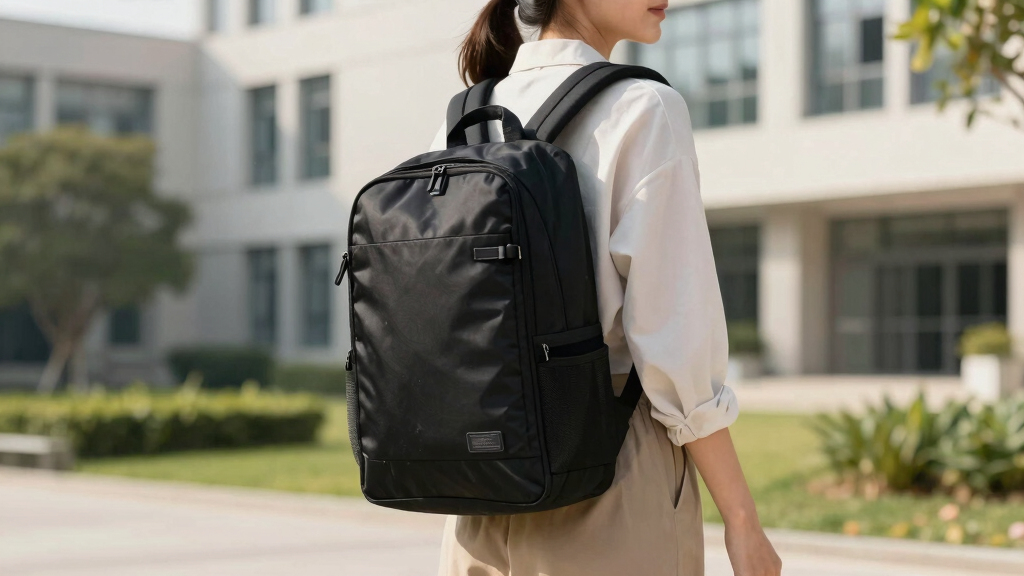
You have selected a backpack that fits your body measurements, comfortably supports your typical load, and allows you to carry your items without pain or discomfort. When worn, it sits close to your back, with straps adjusted properly, and feels balanced during movement.
Next Steps
Regularly check your backpack for signs of wear or discomfort. Adjust straps as needed and replace it when support features degrade or it no longer fits your body properly. Use proper carrying techniques to prevent strain.
Frequently Asked Questions
How do I know if my backpack is properly fitted?
The backpack should sit evenly on your back, with the bottom resting just above your hips. Shoulder straps should be snug but not tight, and the pack should not sway when walking. Distribute weight evenly across compartments.
Can a backpack be too heavy even if it’s ergonomic?
Yes. Even ergonomic backpacks are not designed to carry excessive weight. Keep your load within 10-15% of your body weight to prevent strain.
How often should I replace my ergonomic backpack?
Inspect your backpack regularly for signs of wear, such as torn straps or worn padding. Replace it when support features are compromised or it no longer fits your body properly, typically after 1-2 years of regular use.
Halloween Picks
halloween
As an affiliate, we earn on qualifying purchases.