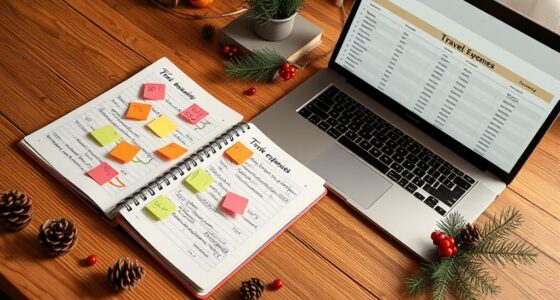

To make better purchases by thinking in cost per use, focus on how often you’ll actually use the item instead of just its price. Consider its durability and how long it will last, not just how much it costs upfront. This approach helps you prioritize quality and avoid unnecessary waste. By converting your purchase into a cost per use, you’ll make smarter, more sustainable choices that save you money over time. Keep exploring to learn more.

Get the little things that make your day delivered free — and shop member deals
- Fast, free delivery on millions of items
- Access to Prime Big Deal Days deals on October 6–7
- Prime Video, Amazon Music and more included
Key Takeaways
- Calculate the cost per use to evaluate if an item provides long-term value before purchasing.
- Prioritize high-quality, durable products that offer more uses over cheaper, short-lived alternatives.
- Consider the product’s lifespan and maintenance needs to determine overall long-term affordability.
- Avoid impulsive buys by comparing the price divided by expected usage frequency.
- Focus on items that meet your needs sustainably, reducing waste and unnecessary spending.

When you’re contemplating a new purchase, focusing solely on the price can be misleading. The sticker price doesn’t tell the whole story about how much value you’ll get over time. Instead, thinking in terms of cost per use can help you make smarter decisions that align with your goals, whether that’s saving money, practicing sustainable shopping, or sticking to your budget planning. By evaluating how often you’ll actually use an item, you get a clearer picture of whether it’s worth the investment. A cheaper item might seem appealing initially, but if it wears out quickly or isn’t practical, you end up spending more in the long run. Conversely, a slightly pricier item that lasts longer and gets frequent use can be more economical overall.
Focusing on cost per use helps make smarter, more sustainable, and budget-friendly purchasing decisions.
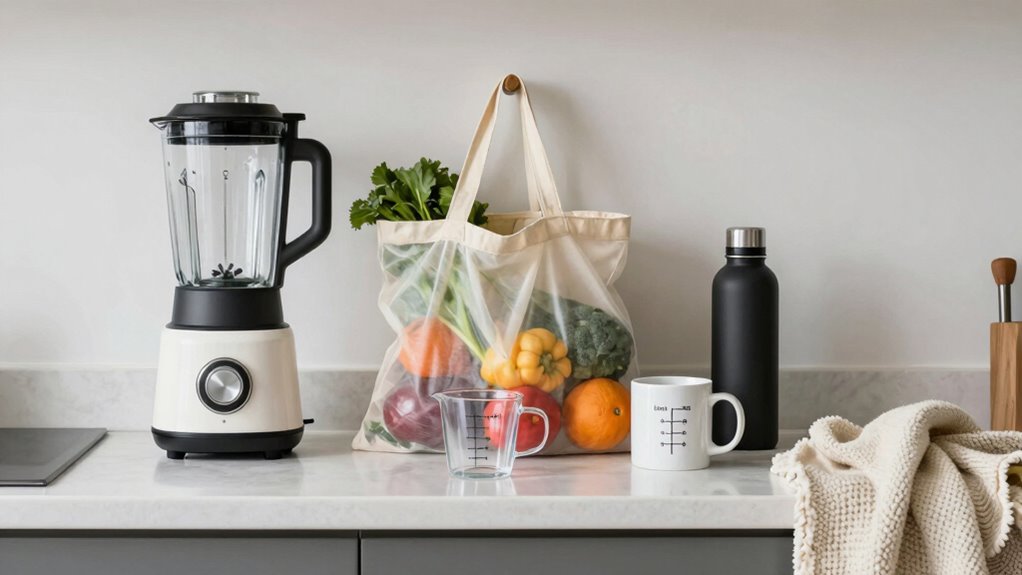
Sustainable shopping becomes easier when you adopt this mindset because you’re less inclined to buy things impulsively or toss out items after minimal use. When you focus on the cost per use, you’re more likely to choose quality over quantity, which reduces waste and benefits the environment. Plus, it encourages you to think about whether a purchase truly meets your needs rather than just filling a temporary desire. This way, you’ll avoid clutter and reduce unnecessary consumption, aligning your shopping habits with both your financial and ecological values. Understanding durability and how it impacts the overall value of a product is also crucial in this process. Recognizing the importance of product lifespan can help you better estimate the true cost over time. Additionally, considering long-term value can guide you in making more informed choices that stand the test of time. Incorporating product maintenance and its effect on longevity can further enhance your ability to assess a purchase’s overall worth. Moreover, evaluating the initial investment in relation to its benefits can help you prioritize higher-quality items.
Budget planning also benefits from contemplating in terms of cost per use because it helps you allocate your money more effectively. Instead of setting a limit based solely on purchase price, you can evaluate how often you’ll use an item and its durability, ensuring your spending aligns with your lifestyle. For example, investing in a versatile, high-quality bag might seem costly upfront, but if you use it daily, its cost per use drops significantly. On the other hand, buying multiple cheaper bags that wear out quickly might seem economical initially but adds up over time.
To incorporate this approach, start by asking yourself how often you’ll use the item and how long it’s likely to last. Do some quick calculations to compare the total cost divided by uses or lifespan. This simple step prevents you from making impulsive buys that look good in the moment but don’t serve your long-term financial or sustainable shopping goals. Over time, practicing this habit makes it easier to distinguish between fleeting trends and genuine value, helping you make more intentional, cost-effective purchases that support your overall budget planning.
durable everyday use kitchen utensils
As an affiliate, we earn on qualifying purchases.
As an affiliate, we earn on qualifying purchases.
Frequently Asked Questions
How Do I Accurately Estimate the Lifespan of a Product?
To accurately estimate a product’s lifespan, consider its durability, brand reputation, and user reviews. Look for manufacturer guidelines on expected lifespan and factor in how often you’ll use the item. Think about the conditions it’ll face, like wear and tear. By evaluating these aspects, you can gauge its durability and make a more precise lifespan estimation, helping you decide if the purchase aligns with your long-term needs.
Does Cost per Use Apply to Services or Digital Products?
Thinking in cost per use applies to services and digital products like service subscriptions and digital tools, just as it does to physical items. You should consider how often you’ll actually use these services or tools over time. For example, a monthly subscription is like a gym membership—you pay regularly, so evaluate how many times you’ll use it to determine if it’s worth the cost. This helps you make smarter, more budget-friendly decisions.
How Can I Compare Cost per Use Across Different Brands?
To compare cost per use across brands, start with a brand comparison by calculating the total cost and estimating your usage frequency. Consider how often you’ll use each product or service, then divide the total cost by your estimated uses. This approach helps you see which brand offers the best value over time, ensuring you make smarter, cost-effective choices based on actual usage rather than just upfront price.
What Tools Can Help Track Product Usage Over Time?
Imagine your products are secretly whispering how often you use them—that’s where product tracking tools come in. Use apps or digital logs for usage measurement, like note-taking or specialized tracking apps, to monitor how frequently you use items over time. These tools help you spot patterns, prevent waste, and maximize value, ensuring you’re making smarter purchases. Staying aware of usage lets you stretch your dollars further than ever before.
How Does Maintenance Affect the Cost per Use Calculation?
Maintenance affects your cost per use by addressing wear and tear, which extends the lifespan of your items. Regular upkeep reduces the replacement frequency, meaning you won’t need to buy replacements as often. This lowers the overall cost per use, making your purchases more economical. Proper maintenance guarantees your products last longer, maximizing value and reducing expenses over time. So, investing in maintenance directly improves your cost efficiency.
high quality reusable water bottles
As an affiliate, we earn on qualifying purchases.
As an affiliate, we earn on qualifying purchases.
Conclusion
Think of your purchases as seeds you plant in your garden of life. When you consider cost per use, you’re tending to a lush, thriving landscape rather than a barren patch. By choosing wisely, you guarantee each item bears fruit for years to come, making your investment grow and flourish. So, next time you’re about to buy, pause and ask: how will this seed grow in my everyday garden? Your future self will thank you.
As an affiliate, we earn on qualifying purchases.
As an affiliate, we earn on qualifying purchases.
NFL season / tailgating Picks
team gear
As an affiliate, we earn on qualifying purchases.