Design constraints often boost your creativity by forcing you to rethink assumptions and explore new solutions within limited resources. When boundaries appear, they challenge you to be resourceful and find innovative ways around obstacles. These constraints push you out of comfort zones, encouraging fresh perspectives and unique approaches. Embracing limits can reveal hidden potential and inspire inventive ideas. If you want to discover how constraints can spark your best ideas, there’s more insight waiting for you.
Key Takeaways
- Constraints force designers to think differently, fostering innovative problem-solving approaches.
- Limitations streamline decision-making, allowing focus on creative solutions rather than indecision.
- Natural and imposed boundaries inspire resourcefulness and unique perspectives.
- Challenging assumptions within constraints encourages rethinking and breakthrough ideas.
- Constraints serve as opportunities to develop original and resilient design solutions.

Have you ever wondered how constraints can actually boost your creativity? It might seem counterintuitive at first, but setting limits can serve as powerful tools for innovation rather than obstacles. When you impose boundaries as catalysts, you’re forced to think differently, to find solutions within a framework rather than wandering aimlessly. These innovative limitations push you to explore new ideas and methods you might not have considered otherwise. Constraints narrow your options, which can be incredibly freeing because they eliminate endless possibilities that often lead to indecision. Instead, they channel your focus toward a specific problem, making your creative process more deliberate and productive.
Constraints spark creativity by focusing your mind and encouraging innovative solutions within boundaries.
Boundaries as catalysts help you prioritize what truly matters. When you’re given a tight budget, limited materials, or strict deadlines, you learn to work smarter rather than harder. These limitations challenge you to optimize resources, think creatively about design, and come up with innovative solutions that maximize impact with minimal means. That sense of urgency and restriction often sparks fresh perspectives that wouldn’t surface in a more open-ended environment. You might discover new techniques, combinations, or approaches simply because you’re forced to work within certain parameters. This isn’t about restricting your freedom; it’s about focusing your energy and creativity in productive directions. Recognizing the role of limitations can help you appreciate their value in fostering innovation.
Additionally, understanding the importance of biodiversity can inspire designers to create solutions that are adaptable and resilient, mirroring the natural world’s ability to thrive under constraints. For example, natural ecosystems demonstrate how constraints promote diversity and survival, which can serve as powerful inspiration for innovative design strategies. Moreover, constraints encourage you to question assumptions and break free from traditional ways of thinking. When you’re used to working without limits, it’s easy to fall into habitual patterns. But when boundaries are introduced, you’re challenged to rethink your approach and find unique solutions that stand out. This process can lead to genuinely innovative ideas that push the boundaries of what’s possible. Constraints also foster resilience because you learn to adapt and find solutions regardless of the obstacles. This adaptability becomes a vital skill in any creative endeavor, making you more resourceful and confident in your ability to solve complex problems.
In essence, constraints aren’t just limitations—they’re catalysts for creative growth. They force you to focus, innovate, and challenge assumptions, unlocking potential that might remain hidden in an unconstrained environment. Instead of viewing limits as hindrances, see them as opportunities to stretch your imagination and develop inventive solutions. By embracing boundaries and recognizing their role in shaping your creative process, you’ll find that constraints can become your greatest allies in producing more original, effective, and meaningful work.

Guided Sketch Book for Creative Thinking and Idea Development: Creative Exercises and Visual Prompts to Generate Ideas, Solve Problems, and Turn Inspiration Into Action
As an affiliate, we earn on qualifying purchases.
As an affiliate, we earn on qualifying purchases.
Frequently Asked Questions
How Do Constraints Differ Across Various Creative Industries?
You’ll find that constraints differ across industries through industry-specific limitations, like budget or material restrictions in fashion, and technical specifications in tech. These constraints push you to think creatively within boundaries, often leading to innovative solutions. They also encourage you to cross disciplinary boundaries, combining skills from different fields. Embracing these industry-specific limitations helps you develop unique ideas and find new approaches you might not have considered without constraints.
Can Excessive Constraints Hinder Innovative Thinking?
Excessive constraints can definitely hinder your creative freedom because they limit your options and force you into narrow solutions. When constraints are too rigid, you might feel trapped, reducing your ability to explore innovative ideas. However, constraint flexibility allows you to work within boundaries while still encouraging creative thinking. So, maintaining a balance between constraints and freedom helps you stay inventive without feeling stifled by limitations.
What Are Examples of Successful Constrained Design Projects?
Imagine a painter working within a fixed color palette—each stroke becomes more deliberate and inventive. Successful constrained projects like the development of the Nokia 3310 phone or the design of the LEGO bricks showcase how innovative boundaries spark creativity. These creative limitations challenge you to think outside the box, turning restrictions into stepping stones rather than barriers. Constraints transform the canvas, inspiring ingenuity within defined borders.
How Do Constraints Influence Team Collaboration?
Constraints shape team dynamics by encouraging focused collaboration and innovative thinking. You’re pushed to communicate more effectively, sharing ideas within limited resources or guidelines. This fosters collaboration strategies that emphasize adaptability and problem-solving. When boundaries are clear, your team can prioritize tasks efficiently, reducing conflicts and brainstorming creatively within set parameters. Overall, constraints serve as a catalyst, driving your team to work smarter, more cohesively, and produce inventive solutions.
Are There Psychological Effects of Working Within Strict Limits?
Working within strict limits can boost your creativity by reducing mental barriers and cognitive load, making problem-solving easier. Studies show that constraints can lead to more innovative ideas because your mind focuses on feasible options rather than endless possibilities. These limits challenge you to think differently, fostering mental agility. So, instead of feeling restricted, you might find constraints actually enhance your ability to generate unique solutions and stay motivated.

101 Creative Problem Solving Techniques: The Handbook of New Ideas for Business
As an affiliate, we earn on qualifying purchases.
As an affiliate, we earn on qualifying purchases.
Conclusion
Think of design constraints as the steady hand guiding your brush across a blank canvas. They carve out boundaries that ignite your imagination, transforming blank space into a vibrant masterpiece. Rather than limiting you, these constraints act like a lighthouse, illuminating the way through foggy ideas. Embrace them, and you’ll find that your creativity isn’t confined—it’s liberated, painting bold strokes across the horizon of possibility, turning restrictions into the very fuel that sparks your innovation.
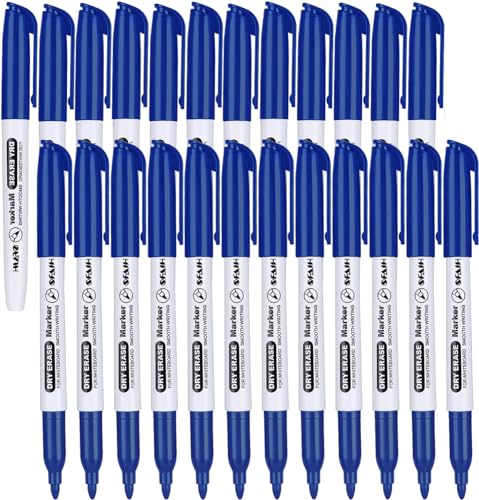
SFAIH Fine Tip Dry Erase Markers, 24 Pack, Blue, Low Odor, Non-Toxic
- Vivid Blue for Creativity: Ideal for brainstorming and visual planning
- Color Coding for Clarity: Enhances organization and communication
- Long-Lasting Ink: Provides consistent, rich black color
As an affiliate, we earn on qualifying purchases.
As an affiliate, we earn on qualifying purchases.

Your Human Design: Use Your Unique Energy Type to Manifest the Life You Were Born For
As an affiliate, we earn on qualifying purchases.
As an affiliate, we earn on qualifying purchases.