
The best team norms often include clear roles and communication protocols, so everyone knows their responsibilities and how to stay connected. Mutual respect and psychological safety help your team share ideas openly and handle disagreements constructively. You’ll also want expectations around punctuality, participation, and accountability to keep efforts on track. Regular feedback and norm reassessment support ongoing growth and cohesion. Keep going to discover how these standards can strengthen your team’s effectiveness even further.
Key Takeaways
- Clear roles and communication protocols to ensure transparency and efficiency.
- Mutual respect and psychological safety to encourage open idea sharing and risk-taking.
- Norms for respectful debate and conflict resolution to maintain cohesion.
- Expectations around punctuality, participation, and accountability to foster commitment.
- Regular feedback and norm reassessment to support continuous improvement and adaptability.

Have you ever wondered what makes a team truly effective? One of the key elements is establishing clear team norms, which serve as the foundation for smooth collaboration and shared success. These norms often include well-defined team roles, ensuring everyone understands their responsibilities and contributions. When team members know their specific roles, it minimizes confusion and overlaps, allowing work to flow more efficiently. It also helps in holding individuals accountable without creating friction, as everyone is aware of what’s expected of them. Alongside roles, communication protocols play a crucial role in maintaining clarity and preventing misunderstandings. Effective teams agree on how they’ll communicate—whether through regular meetings, instant messaging, or project management tools—and set expectations for responsiveness and tone. Clear communication protocols foster transparency, build trust, and ensure that information flows seamlessly among team members, no matter how busy everyone is.
Clear roles and communication protocols build trust, prevent misunderstandings, and enhance team efficiency.
In addition to roles and communication, successful team norms often include mutual respect and psychological safety. When everyone feels respected, they’re more willing to share ideas, voice concerns, and take risks without fear of ridicule or retribution. This environment encourages open dialogue, which is essential for innovation and problem-solving. Furthermore, teams that agree on how to handle disagreements tend to navigate conflicts more constructively. Norms about respectful debate and seeking common ground help maintain cohesion and prevent conflicts from escalating into divisions. Establishing shared expectations around accountability and participation further reinforces a sense of collective responsibility and commitment to team goals. Recognizing the importance of consistent behavior also helps in reinforcing these norms and ensuring everyone remains aligned over time. Consistent behavior can also serve as a behavioral standard that supports a healthy team culture and reduces misunderstandings.
Another important aspect is establishing expectations around punctuality, participation, and accountability. When team members agree on meeting times and deadlines, it reduces delays and last-minute surprises. Setting these standards upfront helps everyone stay committed and aware of their contributions’ importance. Additionally, teams often develop norms around feedback—both giving and receiving it constructively. This openness cultivates continuous improvement and personal growth, strengthening the team over time.
Ultimately, the best team norms are those that are agreed upon collectively and revisited regularly to adapt to changing needs. By establishing clear roles, communication protocols, respect, and accountability, you create a solid framework that guides your team’s interactions. When everyone aligns on these norms, the team becomes more cohesive, motivated, and resilient in facing challenges. In the end, these shared expectations are what turn a group of individuals into a high-performing team ready to achieve common goals.
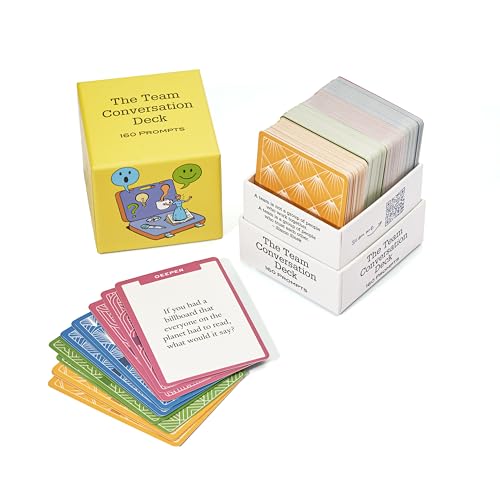
160 Team Building Cards for Managers – Build Trust & Improve Team Performance – 4 Categories from Light Icebreakers to Strategic Team Questions – For Meetings & 1-on-1s | Say This Not That Cards
- Work-Safe and Pre-Screened: No personal questions or awkwardness
- Four Strategic Categories: From light icebreakers to deep trust questions
- Color-Coded for Easy Selection: Instantly choose your connection level
As an affiliate, we earn on qualifying purchases.
As an affiliate, we earn on qualifying purchases.
Frequently Asked Questions
How Do Team Norms Evolve Over Time?
Team norms evolve as your team grows and faces new challenges, shaping your team culture and behavioral expectations. You’ll notice shifts when members communicate differently or handle conflicts in new ways. Regular check-ins help you refine norms, ensuring they stay relevant and supportive. By adapting norms based on feedback and results, you foster a positive environment where everyone feels valued, ultimately strengthening your team’s cohesion and effectiveness over time.
Can Team Norms Differ Across Departments?
You bet they can differ across departments. Each one has its own unique flavor, shaped by department differences and cultural influences. You might find a marketing team more creative and open to brainstorming, while finance prefers strict adherence to procedures. These variations reflect specific goals and working styles, making it essential to adapt norms to fit each department’s needs. Understanding these differences helps foster harmony and productivity across the whole organization.
What Are Common Challenges in Establishing Team Norms?
You might find that establishing team norms is tricky because trust building takes time, and conflicts can arise unexpectedly. You’re often challenged to create open communication and guarantee everyone feels heard. Conflict resolution becomes essential, but it’s difficult to get everyone on the same page quickly. Patience and consistent effort are key—focusing on trust building and addressing conflicts early help set a strong foundation for effective teamwork.
How Do Team Norms Impact Individual Accountability?
Team norms directly influence your sense of individual responsibility by setting clear expectations for everyone’s role. When norms promote peer accountability, you’re more likely to stay committed and deliver quality work, knowing your teammates are counting on you and vice versa. This creates a culture where accountability isn’t just top-down but shared among peers, encouraging you to take ownership of your tasks and support others in maintaining high standards.
Who Should Be Involved in Creating Team Norms?
You should involve everyone in creating team norms, balancing group consensus with leadership influence. While leaders set the tone and guide discussions, every team member’s input guarantees norms reflect shared values and expectations. This collaborative approach fosters ownership and accountability, making norms more effective. By engaging all voices early, you build a cohesive foundation where leadership and team members work together seamlessly, strengthening trust and performance.

Kitchen Teamwork Chart Poster – Clear Roles Build Better Meals – 13×19
- Vibrant artwork promoting teamwork: Encourages collaboration in cooking
- High-quality glossy print: Durable 13×19 inch paper
As an affiliate, we earn on qualifying purchases.
As an affiliate, we earn on qualifying purchases.
Conclusion
So, there you have it—team norms that promise harmony but often lead to chaos, like a well-oiled machine that secretly needs a bit of grease. Stick to these norms, and you’ll find your team’s symphony turning into a discordant orchestra—each note out of tune, each player lost in the chaos. After all, what’s a team without a little order, or maybe just a bit of delightful, unpredictable madness? Embrace the norms, or let chaos reign!

Professional Feedback Suppressor, Audio Processor,Microphone Anti-Howling Feedback Frequency Shifter for Performance Stage KTV Conference Music Room (2 in 2 out)
- Intelligent Feedback Suppression: One-key anti-whistling and automatic scanning
- Advanced Digital Configuration: 4-core DSP chip with 5-level anti-howling
- High Fidelity Sound: 12-segment high fidelity retention
As an affiliate, we earn on qualifying purchases.
As an affiliate, we earn on qualifying purchases.
conflict resolution training courses
As an affiliate, we earn on qualifying purchases.
As an affiliate, we earn on qualifying purchases.