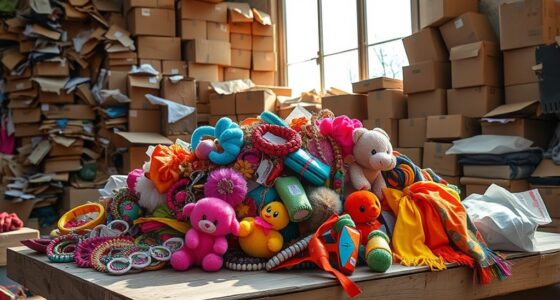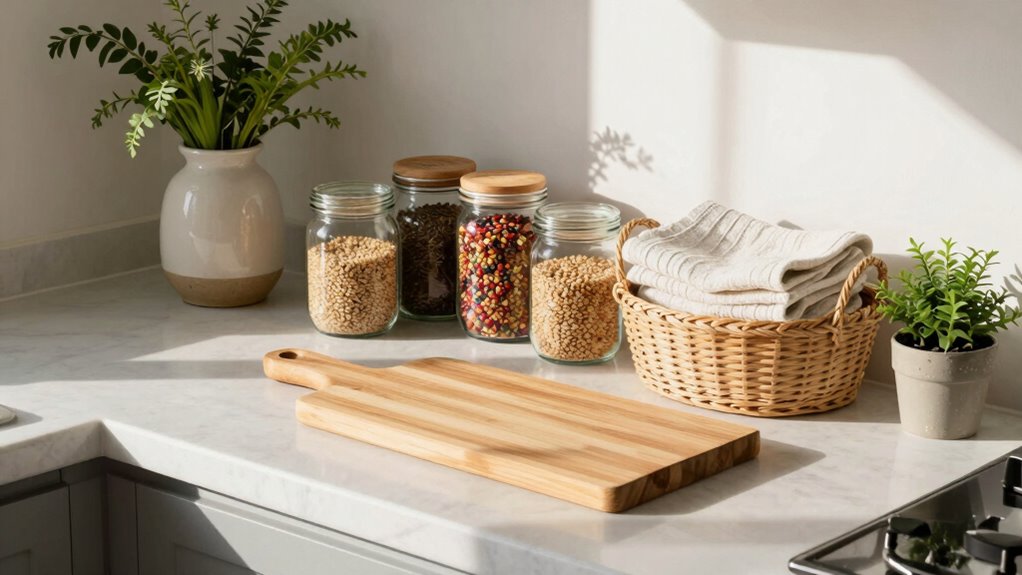
A circular economy for home goods means you’re encouraged to prioritize reuse, repair, and recycling instead of throwing items away. You’ll focus on selecting durable, eco-friendly products designed for longevity, easy maintenance, and recyclability. By participating in intentional consumption and supporting responsible brands, you reduce waste and lessen environmental impact. This approach transforms your habits into part of a sustainable system that benefits the planet. Keep exploring to discover how you can seamlessly integrate this mindset into your home lifestyle.

Get the little things that make your day delivered free with Prime
- Fast, free delivery on millions of items
- Prime Video, Amazon Music and more included
- Member-only deals all year
Key Takeaways
- Promotes reuse, repair, and recycling of home goods to reduce waste and extend product lifecycles.
- Encourages designing durable, repairable, and upgradeable products for long-term use.
- Supports eco-friendly materials and sustainable manufacturing practices in home goods.
- Inspires consumer participation in product maintenance, recycling, and resource-conscious choices.
- Fosters a mindset shift towards valuing products for ongoing cycles rather than disposability.
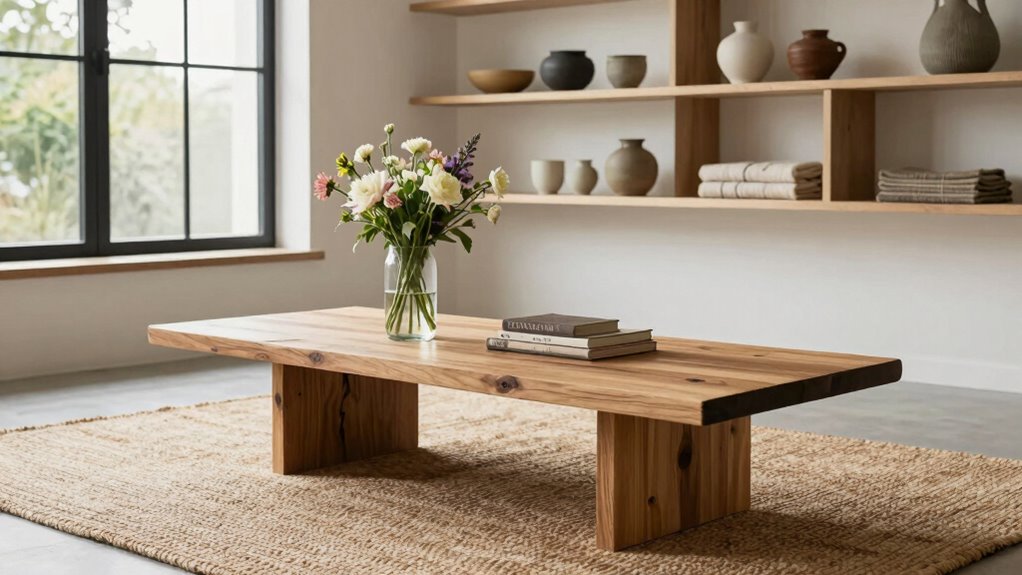
The concept of a circular economy is transforming how we approach home goods by emphasizing reuse, repair, and recycling instead of disposal. This shift encourages you to think differently about the items in your home, focusing on their entire journey rather than just their initial purpose. When you embrace this idea, sustainable design becomes a key factor—you start choosing products crafted with durability and longevity in mind, aiming to extend their product lifecycle. Instead of buying cheap, disposable items, you look for quality pieces that can be repaired, repurposed, or recycled when they no longer serve their original function.
Understanding the product lifecycle is essential in a circular economy. It’s about recognizing that every home good you own has a beginning, middle, and end, and your goal is to minimize waste at each stage. For example, when selecting furniture, you might prioritize brands that use eco-friendly materials or designs that facilitate easy disassembly for repairs or recycling. By doing so, you help reduce the environmental impact associated with manufacturing and disposal. When an item reaches the end of its useful life, instead of tossing it into the trash, you consider options like donating, refurbishing, or recycling, which keeps materials circulating and prevents unnecessary waste. Additionally, recognizing the importance of product lifecycle awareness can help you make more sustainable choices. Incorporating sustainable design principles into your decisions ensures that products are made with materials and construction methods that support the circular economy. Embracing sustainable materials can further enhance the longevity and recyclability of your home goods.
Prioritize eco-friendly materials and easy disassembly to reduce waste and extend product life.
Adopting a circular mindset encourages innovation in product design, inspiring manufacturers to create items that are easier to repair and upgrade. Sustainable design plays a vital role because it influences how products are made and how they can be maintained over time. Products designed with sustainability in mind often feature modular components, making repairs straightforward and encouraging you to keep items longer. This approach also involves choosing items that are made from recyclable or biodegradable materials, ensuring they can re-enter the product lifecycle rather than languish in landfills. By supporting companies committed to sustainable design, you contribute to a system where resources are reused efficiently, reducing the need for new raw materials and lowering your overall ecological footprint. Furthermore, fostering awareness about environmentally responsible manufacturing can help you identify brands that prioritize sustainability from start to finish.
In a circular economy, your choices matter more than ever. You’re not just a consumer but a participant in a system that values resourcefulness and responsibility. By prioritizing sustainable design, understanding the product lifecycle, and opting for reuse and recycling, you help create a loop where home goods are valued for their potential to be part of ongoing cycles rather than one-time use items. This mindset promotes a healthier planet and a more resilient economy, making your home a part of a larger movement towards sustainability. Ultimately, you become more conscious of how your habits impact the environment, fostering a more sustainable way of living that benefits everyone.
Popular right now
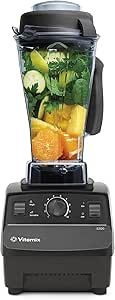
Vitamix 5200 Professional-Grade Blender, 64 oz. Container, Black

Bose QuietComfort Wireless Noise-Cancelling Over-Ear Headphones, Black

Roborock Robot Vacuum and Mop with LiDAR Navigation and 10,000 Pa Suction
As an affiliate, we earn on qualifying purchases.
Frequently Asked Questions
How Can Consumers Identify Truly Sustainable Home Goods?
You can identify truly sustainable home goods by checking for eco-friendly materials like recycled or renewable resources. Look for certifications such as FSC or Green Seal, which indicate responsible sourcing. Increase your consumer awareness by researching brands’ transparency about their manufacturing processes and commitment to sustainability. Avoid products with excessive packaging or synthetic materials. By staying informed and attentive, you guarantee your purchases support a circular economy and reduce environmental impact.
What Brands Are Leading in Circular Home Product Initiatives?
You’ll find brands like IKEA leading in circular home product initiatives, emphasizing material durability and design innovation. They prioritize creating furniture designed for easy disassembly and recycling, encouraging reuse and minimizing waste. Companies like Patagonia also champion durable, adaptable designs that last longer, reducing the need for replacements. By choosing brands committed to these principles, you support a more sustainable future and help promote a circular economy in your home.
How Does Circular Economy Impact Home Goods Pricing?
The circular economy can lead to more stable home goods pricing by improving supply chain dynamics and reducing waste. You might notice less price fluctuation because products are reused, recycled, or refurbished, which stabilizes costs. This approach also promotes sustainable sourcing, potentially lowering raw material costs. Overall, embracing circular practices helps maintain price stability, making home goods more affordable while supporting environmental goals.
Are There Legal Regulations Supporting Circular Home Products?
Yes, there are legal regulations supporting circular home products. Legal frameworks often promote sustainability by setting certification standards that guarantee products are eco-friendly, durable, and recyclable. These regulations encourage manufacturers to adopt circular practices, like using recycled materials or designing for easy disassembly. By complying with these standards, you can confidently choose home goods that align with sustainability goals and meet legal requirements, fostering a greener, more responsible market.
What Are the Challenges in Recycling Home Furniture Effectively?
Think of recycling home furniture like building a castle from fragile sand—challenging and prone to collapse. You face hurdles with furniture durability, as many pieces aren’t designed to last or be easily disassembled. Additionally, recycling infrastructure isn’t yet widespread, making it tough to process and reuse materials properly. These obstacles hinder effective recycling, but improving furniture design and expanding recycling infrastructure can help turn waste into valuable resources.
Conclusion
Embracing the circular economy transforms how you view home goods — from waste to worth. Imagine refurbishing a vintage sofa instead of buying new, giving it a fresh lease on life while reducing environmental impact. By choosing products designed for longevity and reuse, you help create a sustainable future. Every small action, like recycling or repairing, adds up. Together, you can make a meaningful difference, turning your home into a part of the circular economy movement.