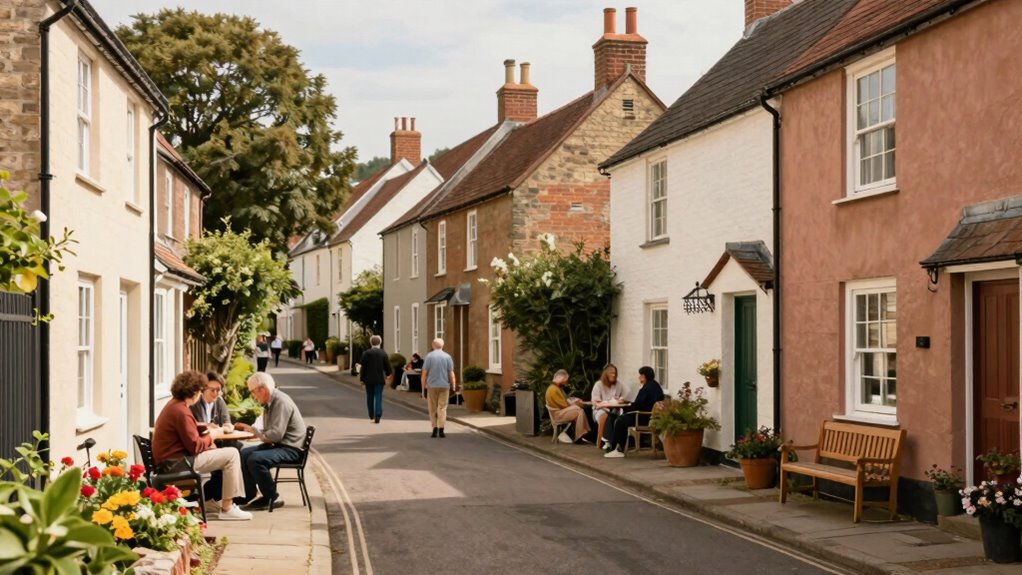

More people seek smaller, meaningful communities because they crave genuine connections and a real sense of belonging that urban environments often lack. In tight-knit groups, you can trust others, share your stories, and build lasting bonds. These communities support emotional well-being and create traditions you can count on. Digital connections help, but face-to-face interactions are key for true closeness. To discover how these communities shape our lives, keep exploring further.

Get the little things that make your day delivered free with Prime
- Fast, free delivery on millions of items
- Prime Video, Amazon Music and more included
- Member-only deals all year
Key Takeaways
- Smaller communities foster authentic relationships, promoting trust and lasting bonds.
- Urban environments often lack meaningful personal connections despite high population density.
- Digital connectivity increases loneliness, prompting a desire for face-to-face, localized interactions.
- Genuine community bonds enhance emotional well-being through shared experiences and mutual support.
- People prioritize quality over quantity, seeking deeper, more personal social interactions.
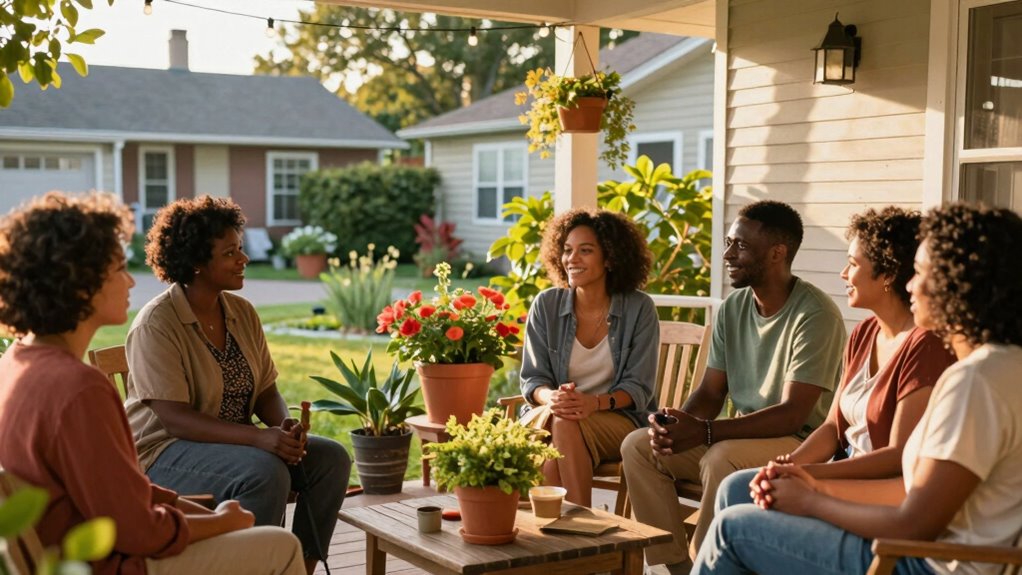
Have you ever wondered why more people are seeking smaller, more intimate communities? It’s a response to the way modern life has evolved, especially with the rapid advancement of digital connectivity. While being constantly connected online has made information and communication easier than ever, it’s also created a paradox. Many find themselves feeling more isolated despite the endless flow of digital interactions. Urban isolation is a growing concern in sprawling cities, where the density of people doesn’t always translate to meaningful connections. You might live in a bustling neighborhood, yet feel disconnected from your neighbors or the community around you. The noise, fast pace, and superficial interactions often leave you craving something more genuine.
This desire for smaller communities stems from a need for authentic relationships. When you’re part of a tight-knit group, your interactions become more personal and substantial. You get to know people’s stories, their struggles, and their joys. These connections foster a sense of belonging that’s often missing in larger, impersonal urban environments. The essence of community is about shared experiences and mutual support, things that are hard to find when you’re just another face in a crowded city. Smaller communities allow you to build trust, create traditions, and form lasting bonds. It’s about quality of relationships—a fundamental aspect that enhances emotional well-being and social cohesion. Recognizing how digital connectivity influences social dynamics can help you better understand the importance of fostering local, face-to-face interactions.
The impact of digital connectivity is a double-edged sword. On one hand, it helps you stay in touch with friends and family across distances. On the other hand, it can replace face-to-face interactions, leading to a sense of loneliness despite being “connected.” You might scroll through social media, seeing snippets of other people’s lives, yet still feel a void. That’s where the appeal of smaller communities comes in—to counteract this digital fatigue. By choosing to engage in more localized, meaningful ways, you’re seeking genuine human connection beyond the screen. Recognizing the importance of community bonds can help you foster deeper relationships and combat urban loneliness.
small group community building kits
As an affiliate, we earn on qualifying purchases.
As an affiliate, we earn on qualifying purchases.
Frequently Asked Questions
How Do Small Communities Impact Mental Health?
Small communities positively impact your mental health by fostering strong social connections and providing emotional support. When you’re part of a close-knit group, you feel more understood and less isolated, which reduces stress and anxiety. You’re more likely to share your struggles and receive encouragement, creating a safe space for growth. This sense of belonging boosts your overall well-being, making you feel more resilient and happier in everyday life.
What Are Examples of Successful Small Communities?
You find success in small communities like those fostering community resilience and local entrepreneurship. For example, cooperative neighborhoods, artisan markets, and local startup hubs thrive because residents actively support each other’s businesses and well-being. These communities create strong bonds, promote sustainable growth, and adapt quickly to challenges. By focusing on local strengths and collaboration, they demonstrate how small, meaningful communities can be vibrant, resilient, and deeply connected.
How Can Someone Start a Meaningful Small Community?
You can start a meaningful small community by focusing on community building and trust development. Begin by identifying like-minded individuals and organizing regular gatherings or online chats. Be transparent, listen actively, and encourage open communication. As trust grows, foster shared goals and collaborative projects to strengthen bonds. Consistency and genuine engagement are key, helping your community feel safe, valued, and connected, making it truly meaningful and sustainable.
Do Smaller Communities Support Diversity Effectively?
Do smaller communities truly support diversity? Absolutely, because they foster cultural integration by creating close-knit environments where members understand and appreciate differences. They promote inclusive participation, making space for varied voices and perspectives. In these settings, it’s easier to build trust and shared values, leading to richer, more meaningful interactions. Smaller communities naturally encourage inclusivity, allowing diverse backgrounds to thrive and contribute, strengthening the community as a whole.
What Challenges Do Small Communities Typically Face?
You’ll often face challenges like population decline, which reduces your community’s vibrancy and diversity. Resource limitations can strain your ability to provide essential services and maintain infrastructure. As your population shrinks, funding and workforce shortages may worsen, making growth difficult. These issues can lead to economic decline and social isolation. Overcoming them requires innovative solutions, strong community bonds, and proactive planning to sustain your community’s health and resilience.
face-to-face social activity games
As an affiliate, we earn on qualifying purchases.
As an affiliate, we earn on qualifying purchases.
Conclusion
So, as you seek deeper connections in this fast-paced world, remember that smaller communities offer the intimacy and trust you crave. Like a trusty lantern guiding you through the dark, these groups help you find purpose and belonging. In a sense, it’s a modern-day agora—minus the toga—where meaningful conversations flourish. Embracing this shift isn’t just about survival, but about reclaiming the human touch that’s been lost in the hustle of the 21st century.
As an affiliate, we earn on qualifying purchases.
trust-building activities for groups
As an affiliate, we earn on qualifying purchases.
As an affiliate, we earn on qualifying purchases.
Columbus Day / Indigenous Peoples' Day Picks
long weekend sales
As an affiliate, we earn on qualifying purchases.