
In our globalized world, effective cross-cultural communication relies on understanding how nonverbal cues, stereotypes, and cultural contexts shape interactions. You should recognize that gestures, eye contact, or gestures may vary in meaning across cultures, so assumptions can lead to misunderstandings. By actively observing and asking questions, you can build respect and stronger connections. Exploring these differences further helps you navigate diverse environments confidently—if you continue, you’ll uncover more insights to enhance your intercultural skills.
Key Takeaways
- Understanding diverse nonverbal cues prevents misinterpretations and fosters respectful cross-cultural interactions.
- Recognizing cultural differences in gestures, eye contact, and posture enhances effective communication globally.
- Challenging stereotypes and asking questions promote authentic understanding across cultures.
- Active observation and cultural awareness strengthen relationships and reduce misunderstandings in international settings.
- Developing intercultural competence increases adaptability and effectiveness in a connected, globalized environment.

Have you ever wondered why misunderstandings happen even when people speak the same language? It’s often because communication isn’t just about words; it’s about nonverbal cues and cultural context. Nonverbal cues include gestures, facial expressions, posture, and eye contact—all of which can carry different meanings across cultures. For example, maintaining eye contact might be seen as confidence in one culture but as confrontational or rude in another. Similarly, a gesture that’s harmless or friendly in your culture could be offensive elsewhere. These subtle signals can lead to misinterpretations if you’re unaware of their cultural significance.
Nonverbal cues and cultural context shape understanding beyond words.
Cultural stereotypes also play a significant role in cross-cultural communication. When you meet someone from a different background, your brain might unconsciously rely on stereotypes to fill in gaps in understanding. While stereotypes can sometimes offer quick generalizations, they often oversimplify and distort reality. For instance, assuming someone from a particular country is always formal or always informal ignores individual differences. These stereotypes can influence how you interpret their words and actions, sometimes causing you to misjudge their intentions or feelings. Recognizing and challenging these stereotypes is essential for genuine understanding.
Understanding the importance of nonverbal cues involves more than just recognizing physical gestures; it requires awareness of their cultural context. For example, in Japan, bowing is a sign of respect, whereas in many Western countries, a handshake is the norm. If you’re unaware of these differences, you might misread the intention behind a gesture or inadvertently offend someone. Being attentive to these cues and learning their cultural meanings helps you communicate more effectively. It also enables you to respond appropriately, whether by adjusting your own nonverbal signals or by asking clarifying questions.
Challenging your own assumptions about other cultures is key. Instead of relying on stereotypes, ask questions, observe carefully, and listen actively. This approach allows you to pick up on subtle nonverbal cues and better understand the context behind someone’s words. Remember, communication is a two-way process that involves both speaking and listening. When you stay open-minded and curious, you’re more likely to bridge gaps created by cultural differences. Additionally, understanding cultural differences in nonverbal communication can help prevent misunderstandings and build stronger relationships. Recognizing that nonverbal cues can vary widely and that stereotypes often distort reality helps you develop more authentic, respectful interactions in our increasingly interconnected world.

Nonverbal communication A Complete Guide
As an affiliate, we earn on qualifying purchases.
As an affiliate, we earn on qualifying purchases.
Frequently Asked Questions
How Does Non-Verbal Communication Vary Across Cultures?
You’ll find that non-verbal communication varies greatly across cultures. Gestures like eye contact, hand signals, and facial expressions can have different meanings, so you should interpret them carefully. Personal space also differs; some cultures prefer close proximity, while others value more distance. By paying attention to these cues and understanding gesture interpretation, you can communicate more effectively and avoid misunderstandings in diverse cultural settings.
What Role Does Language Proficiency Play in Cross-Cultural Interactions?
Language proficiency plays a pivotal role in cross-cultural interactions by breaking down barriers and building bridges. When you’re fluent or semi-fluent, you foster familiarity and reduce misunderstandings, boosting cultural fluency. Conversely, language barriers can cause confusion and discomfort, hindering harmony. You thrive by practicing patience, learning key phrases, and embracing diverse dialogues, making meaningful connections that transcend words and foster mutual understanding across cultures.
How Can Technology Improve Global Cross-Cultural Communication?
Technology improves your global cross-cultural communication by breaking down translation barriers and enabling seamless virtual collaboration. You can use real-time translation tools to understand and be understood across languages, reducing misunderstandings. Virtual collaboration platforms allow you to work with international teams effortlessly, fostering cross-cultural exchange. These innovations make communication more efficient, inclusive, and effective, helping you build stronger international relationships and navigate cultural differences with ease.
What Are Common Misconceptions About Other Cultures’ Communication Styles?
You might believe stereotypes and assumptions about other cultures’ communication styles, but they’re often misleading. Many think that all cultures communicate indirectly or emotionally, yet this isn’t universally true. Avoid ethnocentric perspectives that judge other styles as inferior. Instead, you should approach each culture with openness, recognizing diverse communication norms. This way, you foster understanding and avoid misconceptions that hinder meaningful interactions across cultures.
How Do Cultural Differences Influence Conflict Resolution Strategies?
Cultural differences greatly influence your conflict resolution strategies by shaping your understanding of cultural norms and negotiation tactics. You might find that some cultures value direct communication and quick resolution, while others prioritize harmony and indirect approaches. Recognizing these differences helps you adapt your tactics, showing respect for diverse perspectives. This awareness allows you to navigate conflicts more effectively, fostering mutual understanding and more successful outcomes across cultures.
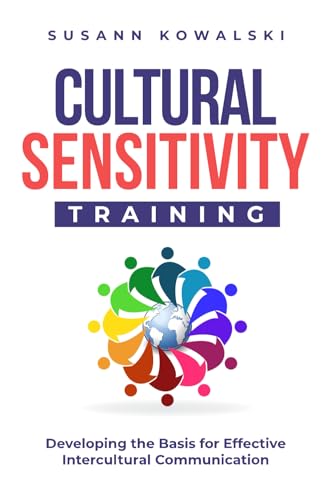
Cultural Sensitivity Training: Developing the Basis for Effective Intercultural Communication
As an affiliate, we earn on qualifying purchases.
As an affiliate, we earn on qualifying purchases.
Conclusion
In a world woven tight by diverse cultures, mastering cross-cultural communication is your key to bridging gaps like a well-oiled bridge. Embrace differences, listen with open ears, and speak with understanding. When you navigate cultural nuances, you turn potential misunderstandings into opportunities for connection. Remember, every conversation is a stepping stone on a path toward global harmony. By fostering respect and empathy, you transform the world into a vibrant tapestry where everyone’s voice matters.
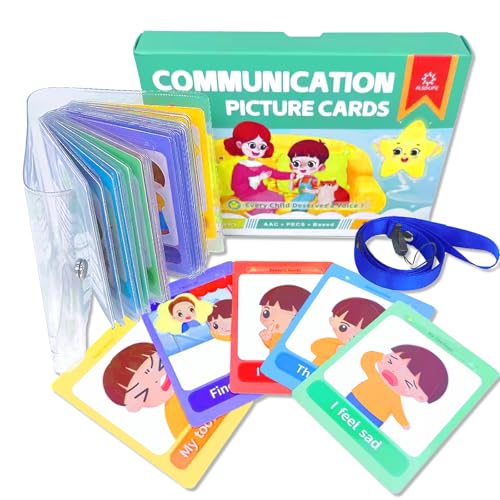
ALSOLIFE Communication Cards for Nonverbal Kids- 52 Flash Cards with Water Proof Album and Lanyard for Special Needs, Autism | PECS, AAC, ABA Therapy Materials, Speech Delay Learning Materials
【Develop Communication Skills】ALSOLIFE Special needs communication cards are clear, simple, and easy for kids to understand, perfect for…
As an affiliate, we earn on qualifying purchases.
As an affiliate, we earn on qualifying purchases.

Business Etiquette Made Easy: The Essential Guide to Professional Success
As an affiliate, we earn on qualifying purchases.
As an affiliate, we earn on qualifying purchases.