
Understanding anxiety disorders involves recognizing their symptoms and exploring effective treatment options. You can manage anxiety through coping strategies like deep breathing, mindfulness, regular exercise, and journaling. Medications such as SSRIs and beta-blockers may help, especially when combined with therapy like CBT, which challenges negative thoughts. A personalized plan that includes lifestyle changes and professional support can make a big difference. Keep exploring, and you’ll discover more ways to take control and improve your mental health.
Key Takeaways
- Understanding anxiety disorders involves recognizing symptoms, triggers, and their impact on daily life.
- Effective treatment options include therapy, medication, and coping strategies tailored to individual needs.
- Cognitive-behavioral therapy (CBT) helps modify negative thought patterns associated with anxiety.
- Medications like SSRIs and beta-blockers can alleviate symptoms, often combined with therapy.
- Lifestyle changes, such as mindfulness, exercise, and routines, support long-term anxiety management.

Have you ever felt overwhelmed by worry or fear that seems to take over your thoughts? If so, you’re not alone. Anxiety disorders can make everyday life feel like a constant battle, but understanding your options can make a meaningful difference. One of the first steps toward managing anxiety involves exploring coping strategies. These are practical techniques you can use daily to reduce your anxiety levels and regain control. Deep breathing exercises, for instance, help calm your nervous system by slowing your heart rate and relaxing your muscles. Mindfulness meditation encourages you to stay present, preventing your mind from spiraling into catastrophic thoughts. Regular physical activity, like walking or yoga, releases endorphins that naturally elevate your mood. Establishing a routine can also provide a sense of stability, reducing the uncertainty that often fuels anxiety. Journaling your thoughts and feelings allows you to process them more objectively, helping you identify triggers and patterns over time. In addition to these coping strategies, medication options may be recommended if your anxiety becomes persistent or severe. Medications, such as selective serotonin reuptake inhibitors (SSRIs), can help balance chemicals in your brain that influence mood and anxiety. Benzodiazepines are sometimes prescribed for short-term relief, especially during acute episodes, but they are generally not recommended for long-term use due to dependency risks. Your healthcare provider might also suggest other options, like beta-blockers, which can reduce physical symptoms like rapid heartbeat or trembling during anxiety-provoking situations. It’s important to remember that medication alone isn’t a cure; it often works best when combined with therapy or lifestyle changes. Cognitive-behavioral therapy (CBT), for example, helps you challenge and change negative thought patterns that contribute to anxiety. Over time, this can lessen your reliance on medication and empower you to handle future stressors more effectively. When considering medication options, it’s essential to work closely with a healthcare professional to find the right fit for your specific needs and monitor any side effects. Remember, everyone’s experience with anxiety is unique, and treatment plans should be personalized. Combining coping strategies with appropriate medication can greatly reduce your symptoms and improve your quality of life. Additionally, understanding the subconscious power during sleep can help in fostering a sense of calm and positive expectation for your mental health journey. The key is to stay proactive, seek support, and be patient with yourself as you explore the techniques and treatments that work best for you. With time, effort, and guidance, managing anxiety becomes a more attainable goal, allowing you to face daily challenges with greater confidence and resilience.

Worry for Nothing: Guided Anxiety Journal, Cognitive Behavioral Therapy Mental Health Journal, Anxiety Relief & Self Care, Journal for Men & Women, Mental Health Gifts
IMPROVES MENTAL HEALTH: Use this journal to improve mindfulness, uncover triggers, track physical and emotional sensations, document your…
As an affiliate, we earn on qualifying purchases.
As an affiliate, we earn on qualifying purchases.
Frequently Asked Questions
Can Anxiety Disorders Be Inherited Genetically?
Yes, anxiety disorders can be inherited due to genetic predisposition. If family members have experienced anxiety, you might be more prone to it because of familial influence. While genetics play a role, environmental factors also contribute. Understanding your family history can help you recognize potential risk factors and seek early treatment, making it easier to manage anxiety effectively.
Are There Alternative Therapies for Anxiety Besides Medication?
Yes, there are alternative therapies for anxiety besides medication. You can try natural remedies like herbal teas, supplements, or aromatherapy to help calm your mind. Mindfulness techniques such as meditation, deep breathing exercises, and yoga also effectively reduce anxiety symptoms. Incorporating these practices into your daily routine may improve your overall well-being and provide relief without relying solely on medication.
How Long Does It Typically Take to See Improvement?
Imagine planting a seed; with patience, growth begins slowly. Typically, you’ll notice some symptom progression within 2 to 4 weeks of starting treatment, but significant improvement may take 6 to 12 weeks. Your treatment timeline varies based on individual factors, so stay consistent and communicate regularly with your therapist. With time, you’ll see your anxiety gradually diminish, revealing a clearer, calmer landscape ahead.
Can Lifestyle Changes Fully Cure Anxiety Disorders?
Lifestyle changes like diet modification and exercise routines can markedly reduce anxiety symptoms, but they may not fully cure anxiety disorders on their own. You’ll likely find the most benefit by combining these changes with therapy or medication. Staying consistent with healthy habits helps manage symptoms, but for a complete recovery, it’s important to seek professional guidance. Remember, lifestyle adjustments support your overall mental health journey.
What Are the Common Triggers for Anxiety Episodes?
Think of triggers like flashing neon signs in your mind that spark anxiety. Common triggers include stressful events, social situations causing social anxiety, and specific fears. You might experience panic attacks when faced with these, making your heart race or feeling overwhelmed. Recognizing these triggers helps you prepare and manage them better, so you don’t get caught off guard and can work towards reducing the intensity of your episodes.
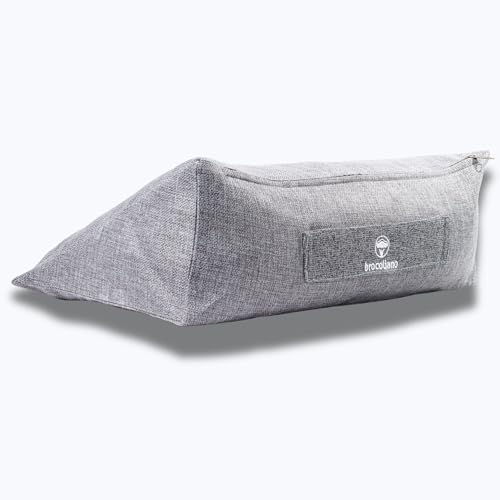
Brocoliano Meditation Cushion – Ergonomic Zafu Pillow for Yoga and Mindfulness – Washable Cover, Natural Buckwheat Fill, Premium Fabric (Cotton Blend/Polyester Variant) (Charcoal Grey, Medium)
ERGONOMIC WEDGE FOR BACK PAIN RELIEF – Unlike round zafus, the wedge tilts your pelvis forward, aligning hips…
As an affiliate, we earn on qualifying purchases.
As an affiliate, we earn on qualifying purchases.
Conclusion
Remember, you don’t have to face anxiety alone—think of it as your own personal Jekyll and Hyde battle. With understanding and the right treatment options, you can tame those restless thoughts and find your peace. Just like a good old-fashioned tune, recovery takes time and patience. So, stay hopeful and reach out for help when needed—because, in the end, you’re the hero of your story, ready to conquer your fears and turn the page.

Medications for Anxiety & Depression: A no-nonsense, comprehensive guide to the most common (and not so common) antidepressants and anti-anxiety drugs available
As an affiliate, we earn on qualifying purchases.
As an affiliate, we earn on qualifying purchases.

Liforme Original Yoga Mat – Free Yoga Bag, Patented Alignment System, Warrior-like Grip, Non-slip, Eco-friendly and Biodegradable, sweat-resistant, long, wide, 4.2mm thick mat for comfort
✅TRANSFORM YOUR PRACTICE – This Premium Yoga mat is designed to be the most innovative & comfortable mat…
As an affiliate, we earn on qualifying purchases.
As an affiliate, we earn on qualifying purchases.