Trauma-informed approaches focus on creating safe, supportive environments that prioritize trust, empowerment, and resilience. You’ll help others identify their strengths, validate their experiences, and promote emotional safety to facilitate healing. These strategies aim to prevent further trauma and foster long-term recovery by emphasizing collaboration and understanding. By applying these principles, you support both individual resilience and community well-being. Keep exploring to discover how these practices can transform lives through compassionate care.
Key Takeaways
- Trauma-informed approaches prioritize safety, trust, and empowerment to facilitate healing and support resilience.
- Building trust encourages openness, emotional regulation, and long-term recovery in trauma survivors.
- Creating secure environments helps individuals share experiences without judgment and confront difficult emotions safely.
- Supporting trauma prevention involves minimizing risk factors and promoting healthy communication and early intervention.
- Focusing on resilience helps individuals identify strengths, fostering growth and community healing beyond symptom treatment.

Trauma-informed approaches have become essential in various settings because they recognize the widespread impact of trauma and prioritize safety, trust, and empowerment. When you adopt these strategies, you create an environment where individuals feel secure enough to begin healing. A core component of this approach is resilience building, which helps people develop the inner strength needed to cope with adversity. By focusing on resilience, you’re not just addressing the immediate effects of trauma but also equipping individuals with tools to bounce back and thrive despite past hardships. This proactive stance supports trauma prevention, aiming to reduce the likelihood of future trauma by fostering healthy, supportive environments that recognize and address vulnerabilities early on.
Trauma-informed care emphasizes safety, trust, empowerment, resilience, and prevention for healing and long-term well-being.
In practice, resilience building involves helping individuals identify their strengths and resources. You encourage them to recognize moments of courage, persistence, and growth, reinforcing their capacity to overcome challenges. For example, through active listening and validation, you create a space where they can share their experiences without fear of judgment. This process fosters trust—an essential element in trauma-informed care—making it easier for individuals to open up and engage in healing. When trust is established, you help them feel safe enough to confront difficult emotions and memories, which is *indispensable* for long-term recovery. Additionally, understanding the role of color accuracy in visual environments can support sensory regulation and emotional well-being, further enhancing healing spaces.
Trauma prevention is another *indispensable* aspect of trauma-informed approaches. Instead of waiting for crises to happen, you work to create environments that minimize risk factors and promote emotional safety. This might involve implementing policies that support mental health, promoting healthy communication, or providing early intervention programs. By proactively addressing potential triggers and reducing stressors, you help prevent the escalation of trauma-related issues. Prevention efforts are especially effective when they include education—teaching individuals about trauma responses and coping strategies so they can recognize signs early and seek help before problems deepen.
Ultimately, trauma-informed approaches shift the focus from just treating symptoms to fostering resilience and preventing future harm. You’re not only supporting individuals in their healing journey but also contributing to the development of healthier communities. When you prioritize safety, trust, and empowerment, you help individuals regain control of their lives, reduce the likelihood of retraumatization, and build a foundation for sustained well-being. This holistic perspective ensures that healing is not just about managing trauma but about transforming lives through resilience building and proactive trauma prevention.

Trauma-Informed Care (Explorations in Mental Health)
As an affiliate, we earn on qualifying purchases.
As an affiliate, we earn on qualifying purchases.
Frequently Asked Questions
How Can I Recognize Signs of Trauma in Others?
You can recognize signs of trauma in others by paying attention to emotional cues like sudden mood swings, withdrawal, or heightened anxiety. Behavioral indicators such as avoidance, difficulty concentrating, or changes in sleep patterns also signal trauma. Trust your observations and listen empathetically; these signs often reveal underlying struggles. By staying attentive and compassionate, you help create a safe space for healing and support.
What Are Common Misconceptions About Trauma-Informed Care?
Don’t believe the myth that trauma-informed care is just about asking questions. Many misunderstand it as a quick fix or only about mental health, but it’s actually a holistic approach that recognizes the impact of trauma. Myth busting helps you see that trauma-informed care involves patience, empathy, and creating safe spaces. It’s not a one-size-fits-all solution, but a nuanced understanding that fosters genuine healing and support for those affected.
How Do Trauma-Informed Approaches Differ From Traditional Methods?
Trauma-informed approaches differ from traditional methods by focusing on resilience building and cultural sensitivity. You prioritize understanding clients’ experiences and avoid re-traumatization, instead creating safe, empowering environments. Unlike traditional methods that may focus solely on symptoms, you recognize trauma’s impact on behavior and promote healing through trust and collaboration. This approach helps clients feel valued and understood, fostering long-term resilience and recovery.
Can Trauma-Informed Care Be Applied in Virtual Settings?
Yes, trauma-informed care can be effectively applied in virtual settings. When you engage in virtual therapy or online support, you incorporate trauma-sensitive practices by creating a safe, respectful environment, even through a screen. You can build trust by maintaining clear communication, respecting boundaries, and being attentive to non-verbal cues. This approach guarantees clients feel supported and understood, regardless of the physical distance, fostering healing and resilience in digital spaces.
What Training Is Required to Implement Trauma-Informed Practices?
You need to complete staff training focused on trauma recognition and trauma-informed care principles. This training should cover understanding trauma’s impact, recognizing signs, and applying empathetic communication. It’s essential to learn about creating safe, supportive environments and responsive practices. By investing in all-encompassing training, you empower your team to effectively support trauma survivors, fostering healing and resilience through informed, compassionate interactions.
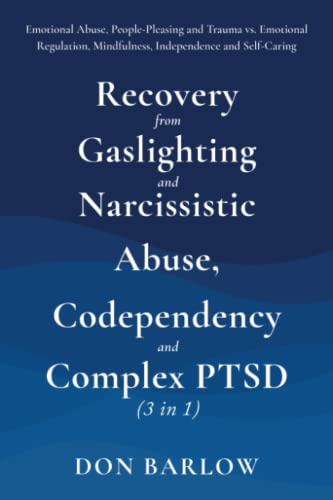
Recovery from Gaslighting & Narcissistic Abuse, Codependency & Complex PTSD (3 in 1): Emotional Abuse, People-Pleasing and Trauma vs. Emotional Regulation, Mindfulness, Independence and Self-Caring
As an affiliate, we earn on qualifying purchases.
As an affiliate, we earn on qualifying purchases.
Conclusion
By embracing trauma-informed approaches, you foster healing where pain once thrived, turning vulnerability into strength. You create safe spaces amid chaos, offering support in moments of despair. While trauma may linger in shadows, your compassion lights the path forward, reminding us that recovery is possible even in the darkest times. In this delicate balance between suffering and hope, your efforts become the bridge to resilience, proving healing isn’t just a goal—it’s a shared journey.

The Building Resiliency Workbook – Reproducible Self-Assessments, Exercises & Educational Handouts (Mental Health & Life Skills Workbook Series)
By John J. Liptak, EdD and Ester A. Leutenberg Illustrator Amy Brodsky, LISW-S BRW
As an affiliate, we earn on qualifying purchases.
As an affiliate, we earn on qualifying purchases.

Transforming The Living Legacy of Trauma: A Workbook for Survivors and Therapists
As an affiliate, we earn on qualifying purchases.
As an affiliate, we earn on qualifying purchases.