

To keep meetings productive, stay prepared and minimize distractions by using a simple, professional virtual background and checking your equipment beforehand. Always mute yourself when not speaking to reduce background noise, and unmute only when you have input. Pay attention to your surroundings to prevent unintentional interruptions, and avoid multitasking during the call. Practicing these etiquette tips helps create a respectful, focused environment—if you want to explore more ways to enhance your virtual meeting skills, keep going.
Key Takeaways
- Mute yourself when not speaking to minimize background noise and maintain meeting clarity.
- Use simple, professional virtual backgrounds to avoid distractions and keep focus on the discussion.
- Stay attentive and avoid multitasking to ensure active participation and respect for others’ time.
- Check technical setup, including microphone and camera, before the meeting begins for smooth communication.
- Notify the group promptly of any technical issues or when stepping away to maintain transparency and flow.

Another key point is to be aware of market volatility and how it can impact your investments during a Gold IRA rollover or other precious metals transactions. Have you ever been on a conference call where distractions or missteps disrupted the flow? It’s frustrating, isn’t it? One common issue is when participants use virtual backgrounds that aren’t appropriate or become distracting. If your virtual background is too busy or unprofessional, it pulls attention away from the conversation and can make it hard for others to focus. To stay on track, choose a simple, clean virtual background or stick to a neutral setting. This helps maintain a professional atmosphere and keeps the meeting flowing smoothly.
Another essential aspect of good conference call etiquette is using the mute button wisely. Nothing disrupts a meeting more than background noise—dogs barking, typing sounds, or someone’s side conversation sneaking in. Before speaking, always mute yourself if you aren’t actively contributing. When you finish, unmute only when you need to add something meaningful. This simple step minimizes interruptions and ensures everyone can hear the speaker clearly. Remember, it’s better to be muted and unmute when needed than to cause unintended noise that derails the discussion.
Mute yourself when not speaking to reduce background noise and keep meetings focused.
Additionally, pay attention to your virtual background and mute button throughout the meeting. Even if you’re not speaking, keep yourself muted to avoid accidental disruptions. If you need to step away, turn off your camera or inform the group. Being mindful of your surroundings and your audio levels shows respect for everyone’s time and effort. It also prevents unintentional distractions that can derail a productive conversation.
A good rule of thumb is to check your virtual background and mute status before the meeting starts. Test your setup, ensure your virtual background is appropriate, and confirm your microphone is muted when not speaking. During the call, stay attentive and avoid multitasking, which can lead to unintentional noise or missed important points. If you experience technical issues, notify the group promptly rather than letting it cause confusion or delays.
Ultimately, maintaining proper conference call etiquette involves simple habits like choosing a professional virtual background and diligently using the mute button. These small actions make a big difference in creating a respectful, focused environment. When everyone is mindful of these practices, meetings become more efficient, productive, and less prone to disruptions. So, next time you join a virtual meeting, remember these tips—your colleagues will thank you for it.

Outus 9 Inspirational Wall Art Prints for Classroom Office, 8x10, Unframed
- Complete Set of 9 Prints: Includes 9 inspirational posters and 40 adhesive dots
- Ideal Size for Walls: Each poster measures approximately 8 x 10 inches
- High-Quality Material: Made of durable, laminated cardstock for longevity
As an affiliate, we earn on qualifying purchases.
Frequently Asked Questions
How Do I Handle Technical Difficulties During a Conference Call?
When you face technical difficulties during a conference call, first try quick audio troubleshooting like checking your microphone and speaker connections. If connection issues arise, switch to a backup device or reconnect to the call. Don’t hesitate to inform others politely about the problem so they’re aware. Staying calm and proactive helps maintain meeting productivity, ensuring everyone can participate effectively despite unforeseen technical hiccups.
What Should I Do if I’M Running Late to the Meeting?
If you’re running late, act quickly to minimize disruption. Send timeliness reminders to inform the host and participants, and follow up with a brief apology to acknowledge the inconvenience. Keep your message concise, take responsibility, and express your commitment to stay engaged. This proactive approach respects everyone’s time, adheres to apology protocols, and helps maintain professionalism, ensuring the meeting remains productive despite your delay.
How Can I Ensure Everyone Has a Chance to Speak?
To guarantee everyone has a chance to speak, use turn-taking strategies like asking specific individuals for their input and setting clear guidelines. Encourage participation by inviting quieter team members to share their thoughts directly, creating a safe space for dialogue. You can also pause periodically to check for questions or comments, making sure all voices are heard and fostering a more inclusive, productive meeting.
What Are Some Tips for Engaging Remote Participants?
Did you know that remote participants are 35% more likely to stay engaged when you use interactive tools? To keep them engaged, incorporate polls, chat features, or shared screens. Make eye contact by looking directly into your camera, creating a sense of connection. Encourage questions and feedback, and invite input regularly. These strategies help remote attendees feel involved, making your meetings more dynamic and productive for everyone.
How Do I Politely Interrupt Someone During a Call?
When you need to politely interrupt someone during a call, wait for a natural pause, then say, “Sorry to interrupt, but I have a quick point,” or “May I add something here?” Respectful interjections show you’re engaged without disrupting the flow. Keep your tone friendly and concise, ensuring your interruption is relevant. This approach maintains a professional atmosphere while allowing everyone’s voice to be heard effectively.

DSHFG Motivational Inspirational Office Wall Art Decor Prints Set of 4
- Unframed Motivational Wall Art: 8x10 inch inspiring quotes
- Versatile Office & Home Decor: Suitable for various workspaces
- Modern Black-and-White Design: Adds a professional touch
As an affiliate, we earn on qualifying purchases.
Conclusion
By mastering conference call etiquette, you become the steady captain steering your team through choppy waters, ensuring smooth sailing and clear communication. When you listen actively, speak thoughtfully, and stay present, you craft a symphony of collaboration rather than chaotic noise. Remember, your attitude and professionalism are the compass guiding everyone toward productivity. With these habits, you transform meetings from mere checkpoints into powerful engines driving success, turning every call into a harmonious melody of progress.
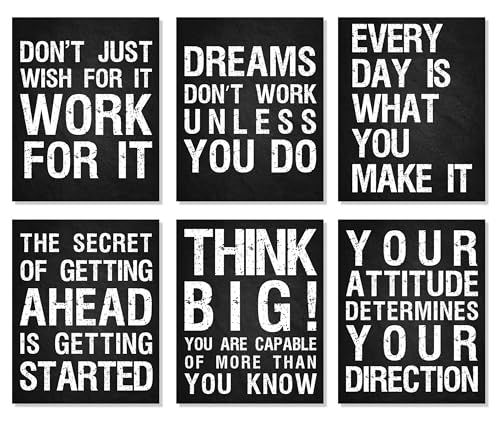
L&O Goods Motivational Wall Decor – Set of 6 | Inspirational 8×10 Glossy Poster Prints | Growth Mindset Quotes for Home, Classroom, Office, and Gym | Office Wall Art | (Unframed, Made in USA) - Set 1
- Motivational and Inspirational Quotes: Inspire growth mindset in all ages
- High-Quality Glossy Prints: Durable 8x10 posters on thick paper
- Versatile Home and Office Decor: Suitable for home, classroom, gym, and office
As an affiliate, we earn on qualifying purchases.

Do It Anyway Motivational Wall Art Metal Sign Vintage Gym Decor Poster for Home Gym, Garage Gym, Office Wall Decor, Room Decor for Men, Man Cave Gift
- Daily Motivation Quote: Encourages focus and consistency daily
- Rust-Resistant Metal: Durable for gym humidity and wear
- Versatile Wall Decor: Suitable for gyms, offices, and rooms
As an affiliate, we earn on qualifying purchases.