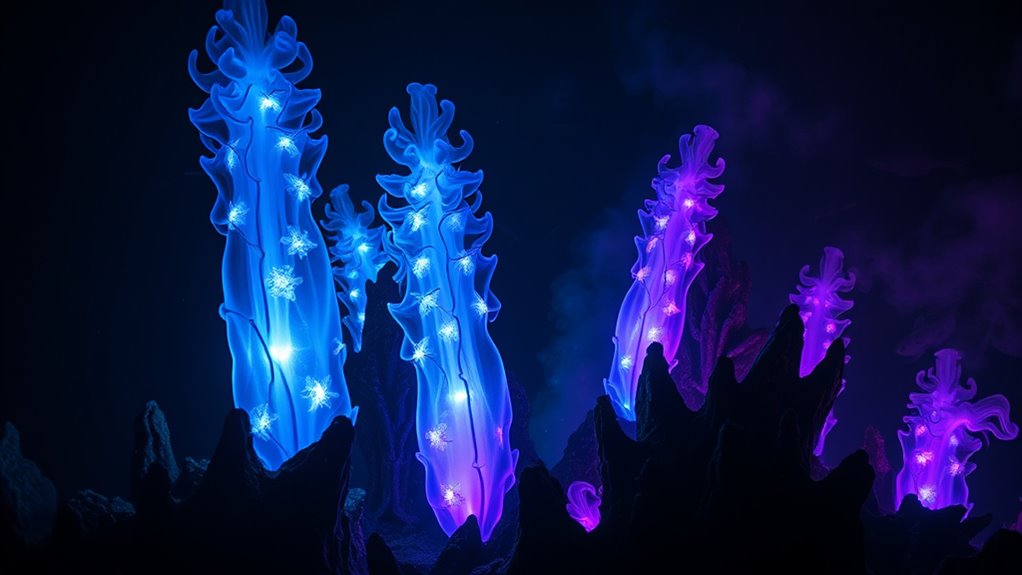

Exploring the deep sea reveals a world full of diverse ecosystems and unique life forms thriving in extreme conditions. Using submersibles and ROVs, scientists uncover organisms that survive without sunlight, relying on chemosynthesis at hydrothermal vents. Discoveries challenge what we understand about life and highlight the importance of protecting these fragile habitats. Continuing to explore helps us understand Earth’s secrets better and emphasizes why ocean conservation matters more than ever.
Open a free Amazon Business account
Business pricing, bulk buying and tax-exempt orders.
As an affiliate, we earn on qualifying purchases.
Key Takeaways
- Deep sea exploration uses submersibles and ROVs to study extreme environments without harming ecosystems.
- Discoveries reveal unique organisms that survive through chemosynthesis, challenging traditional life requirements.
- Different ocean zones host distinct ecosystems, from coral reefs to hydrothermal vents.
- Technological advances like AUVs and sensors enhance exploration and data collection in remote deep-sea areas.
- Protecting deep-sea habitats is vital due to threats from pollution, climate change, and overfishing.
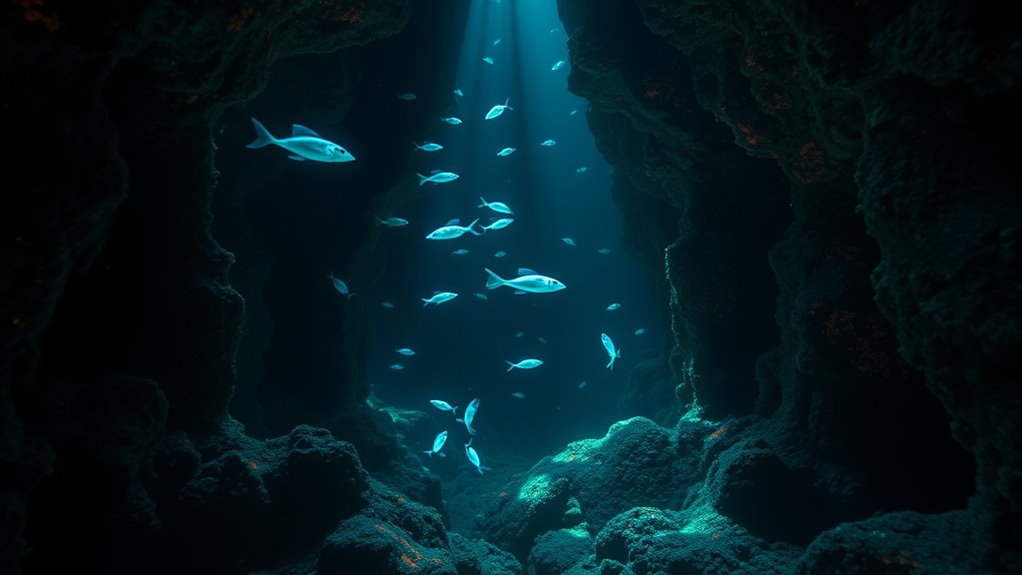
Ocean science explores the vast and complex systems beneath the water’s surface, revealing the mysteries of marine life, currents, and ecosystems. When you explore into this field, you discover how diverse and interconnected life is across different ocean zones. Marine biodiversity, for instance, encompasses the incredible variety of species that thrive from shallow coral reefs to the pitch-black depths of the deep sea. These ecosystems are teeming with creatures uniquely adapted to extreme conditions, such as bioluminescent fish, giant tube worms, and alien-like invertebrates. Understanding this diversity helps you appreciate the resilience and vulnerability of ocean habitats, especially as human activities threaten their delicate balance.
To investigate these depths, scientists utilize a range of deep sea exploration techniques that push the boundaries of human capability. Submersibles and remotely operated vehicles (ROVs) are your primary tools for venturing into areas where sunlight doesn’t reach. These sophisticated machines allow you to capture high-resolution images and collect samples from the ocean floor without disturbing fragile ecosystems. You can navigate through treacherous terrain, such as underwater mountains, trenches, and hydrothermal vents, gaining insights into the unique organisms that inhabit these extreme environments. These techniques also enable you to study the physical and chemical properties of the deep sea, revealing how life persists under immense pressure, darkness, and cold temperatures. Advances in sensor technology are continually expanding your ability to monitor and analyze these remote environments more effectively.
You might be surprised to learn that deep sea exploration has uncovered ecosystems that thrive independently of sunlight, relying instead on chemosynthesis. These discoveries challenge traditional notions of life and open new avenues of research into the origins and resilience of life on Earth. As you investigate deeper into these environments, your understanding of marine biodiversity expands, highlighting the importance of protecting these untouched regions from pollution, overfishing, and climate change. Continuous advancements in exploration techniques, such as autonomous underwater vehicles (AUVs) and improved sensor technology, are making it possible for you to explore previously inaccessible areas with greater detail and safety.
Top picks for "ocean science explor"
As an affiliate, we earn on qualifying purchases.
Frequently Asked Questions
How Do Deep-Sea Creatures Adapt to Extreme Pressure?
You might wonder how deep-sea creatures handle extreme pressure. They develop pressure resistance through specialized cell structures and flexible enzymes that work under high pressure. Additionally, many rely on bioluminescent adaptations to find prey and communicate in darkness. These adaptations allow them to survive and thrive in the deep sea’s harsh environment, demonstrating incredible evolutionary resilience against the crushing pressures of their habitat.
What Undiscovered Species Might Live in the Deepest Trenches?
Imagine a hidden universe cloaked in darkness, waiting for you to uncover its secrets. In the deepest trenches, you might discover bioluminescent predators casting ghostly glows and deep-sea symbiosis thriving in extreme conditions. These undiscovered species could possess unique adaptations, like glowing camouflage or symbiotic relationships with bacteria, helping them survive in crushing pressures and pitch-black darkness. Your exploration could reveal astonishing life forms that challenge everything you thought you knew about ocean depths.
How Do Scientists Communicate With Deep-Sea Submersibles?
You rely on remote communication to stay in contact with deep-sea submersibles. Scientists use signal transmission methods like acoustic signals and tethered cables to transmit data and commands through the water. Acoustic communication is essential because radio waves don’t travel well underwater. These systems guarantee you can control the submersible and receive valuable data, even in the extreme pressures and darkness of the deep sea environment.
What Are the Biggest Challenges in Deep-Sea Exploration Technology?
You face major challenges in deep-sea exploration technology, especially with robotic autonomy and power supply. Imagine robots maneuvering dark, pressure-filled environments, needing to make decisions without human input—this demands advanced AI systems. Power sources must last long enough to explore vast areas, yet resist extreme conditions. Balancing autonomy with reliable energy becomes critical, pushing engineers to develop innovative solutions that guarantee your deep-sea missions succeed against these tough obstacles.
How Does Deep-Sea Research Impact Climate Change Understanding?
Deep-sea research helps you understand climate change by revealing how the ocean’s carbon cycle operates, including how carbon is stored and released in deep waters. It also shows how ocean acidity levels change with increased CO2 absorption. This understanding allows you to predict how climate change impacts marine ecosystems and global climate patterns, guiding efforts to mitigate effects and develop sustainable solutions for the future.
Conclusion
As you explore the mysteries of the deep sea, remember it’s like an uncharted universe hiding secrets beneath shimmering waves. With every discovery, you’re revealing nature’s hidden stories, revealing an underwater world more vibrant and complex than you ever imagined. Keep exploring, because the ocean’s depths are a vast, enchanting frontier waiting to be understood. Your curiosity fuels the voyage, turning the unknown into a breathtaking adventure beneath the endless blue.
Pool season Picks
robotic pool cleaners
As an affiliate, we earn on qualifying purchases.