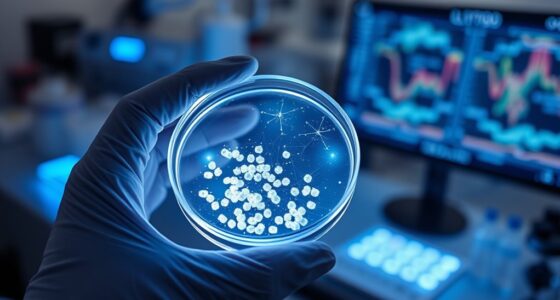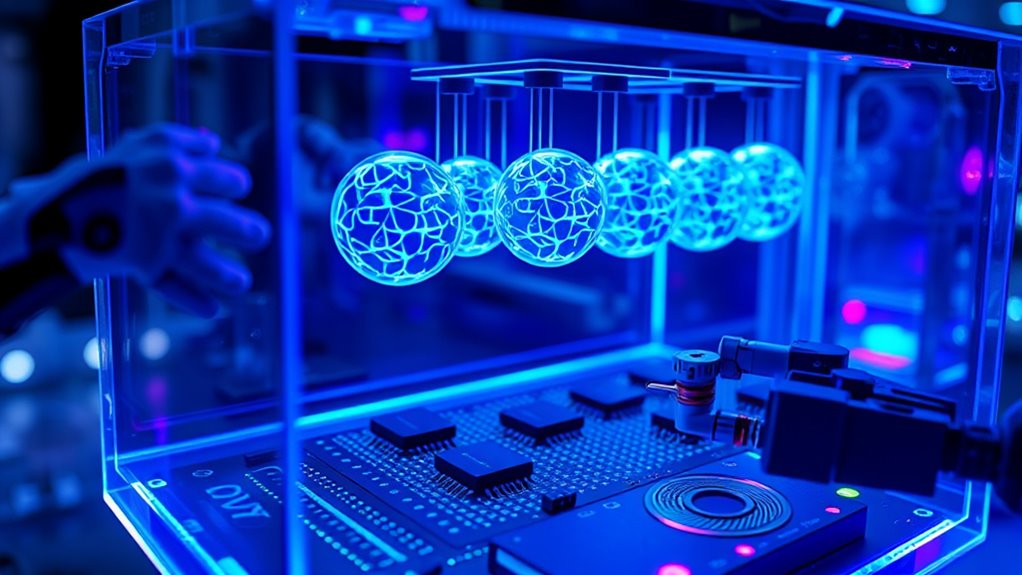

Synthetic biology allows you to design new organisms by engineering genetic circuits that control how cells behave. These circuits act like biological computers, turning genes on or off to create specific functions, such as producing medicines or sensing the environment. While this offers exciting possibilities, it also raises ethical questions about safety, ecological impact, and biosecurity. Understanding these aspects helps you navigate the responsible development of sustainable and beneficial engineered organisms. Keep exploring to learn more about this fascinating field.

Get the little things that make your day delivered free with Prime
- Fast, free delivery on millions of items
- Prime Video, Amazon Music and more included
- Member-only deals all year
Key Takeaways
- Synthetic biology uses genetic circuits to design organisms with novel functions and behaviors.
- Genetic circuits act as biological computers, enabling precise control of gene expression.
- Designing new organisms involves reprogramming biological pathways responsibly, considering ethical implications.
- Regulatory guidelines are essential to ensure safety, ecological integrity, and prevent misuse of engineered organisms.
- Future developments depend on balancing innovation with ethical stewardship and societal benefits.
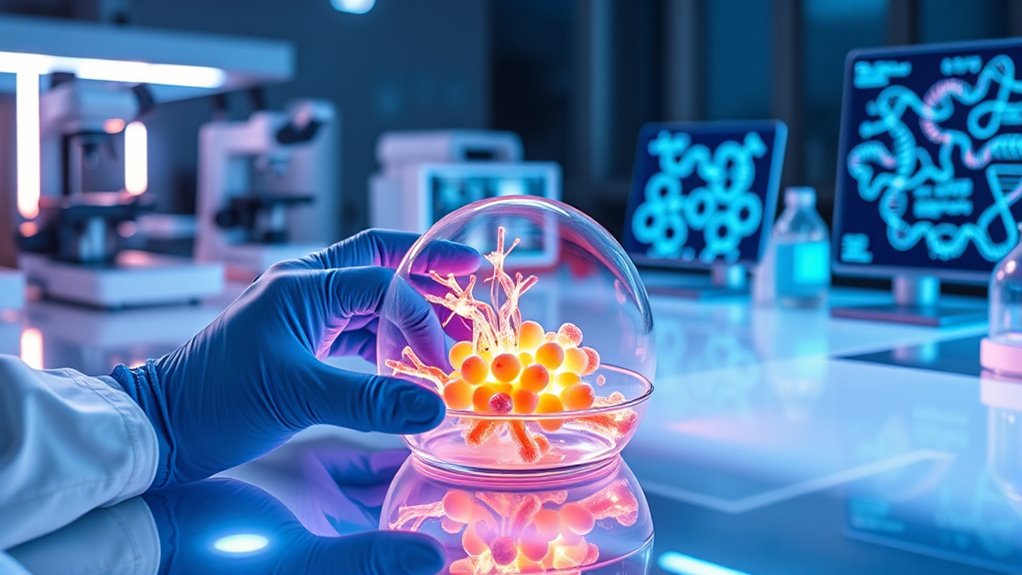
Have you ever wondered how scientists can redesign living organisms to perform new functions? It’s a fascinating process rooted in synthetic biology, which involves constructing or modifying biological components to create new systems. At the core of this innovation are genetic circuits—networks of genes engineered to control cellular behavior precisely. These circuits act like biological computers, turning genes on or off in response to specific signals, enabling us to program cells to produce pharmaceuticals, biofuels, or even detect environmental toxins. This ability to rewire natural biological pathways opens up endless possibilities, but it also raises important questions about bioengineering ethics.
Genetic circuits enable precise control of cells, unlocking endless possibilities while raising important ethical questions.
When you think about genetic circuits, picture them as the genetic equivalent of electronic circuits in computers. Instead of wires and chips, you have sequences of DNA carefully designed to regulate the activity of other genes. These circuits can be integrated into living cells to create tailored responses, such as making bacteria produce insulin when needed or glow in the dark for environmental sensing. The precision and flexibility of genetic circuits allow scientists to develop organisms with functions that nature never intended. But with this power comes responsibility. Bioengineering ethics come into play, urging us to contemplate the potential risks, safety concerns, and broader societal impacts of creating synthetic organisms. Questions arise—how do we prevent unintended consequences? What regulations need to be in place? Who gets to decide what’s ethical?
It’s essential to approach these innovations with caution. While genetic circuits enable groundbreaking applications, they also demand a thoughtful review of bioengineering ethics. Scientists, policymakers, and the public must collaborate to establish guidelines that ensure safety, respect for natural ecosystems, and equitable access. You should be aware that manipulating organisms at this level might lead to unforeseen ecological effects or biosecurity threats if misused. Ethical considerations also include transparency about the goals of synthetic biology research and ensuring that advancements benefit society without compromising safety or moral values.
In essence, designing new organisms through synthetic biology is a powerful tool that hinges on understanding and responsibly applying genetic circuits. It’s not just about technological possibilities but also about balancing innovation with ethical responsibility. As you follow these developments, remember that the future of synthetic biology depends on how carefully and ethically we harness this incredible potential. Responsible stewardship of bioengineering ethics will determine whether these engineered organisms serve humanity positively or lead to unintended harm. Understanding genetic circuits is crucial for appreciating both the possibilities and the responsibilities involved in synthetic biology.
synthetic biology genetic circuit kit
As an affiliate, we earn on qualifying purchases.
As an affiliate, we earn on qualifying purchases.
Frequently Asked Questions
Can Synthetic Organisms Survive in Natural Environments?
Synthetic organisms can survive in natural environments if they possess genetic stability and effective adaptation mechanisms. You need to guarantee these organisms can withstand environmental stresses, avoid unintended consequences, and integrate well with existing ecosystems. When designed properly, they can adapt to natural conditions, but their survival depends on how well their genetic traits support resilience and flexibility. Careful testing and regulation are vital to prevent ecological disruptions.
What Are the Potential Ecological Risks of Synthetic Biology?
You should consider that synthetic biology poses ecological risks like unintended gene transfer, which could spread synthetic genes to natural organisms. This might disrupt ecosystems, affecting biodiversity and ecosystem stability. You need to carefully evaluate how synthetic organisms interact with their environment to prevent negative impacts. By monitoring and controlling gene flow, you can reduce potential risks and ensure that synthetic biology benefits society without harming the ecosystem.
How Is Synthetic Biology Regulated Worldwide?
You should know that synthetic biology is regulated worldwide through a combination of national laws, international treaties, and guidelines. Countries enforce intellectual property rights to control genetic inventions, while treaties like the Cartagena Protocol address biosafety issues. Regulations vary globally, but many nations are working towards harmonized standards to guarantee safety and ethical practices. Staying updated on these regulations helps you navigate legal requirements and promotes responsible innovation in synthetic biology.
Are Synthetic Organisms Safe for Human Consumption?
You might be surprised to learn that over 80% of consumers worry about the safety of genetically modified foods. Synthetic organisms can be safe for human consumption when strict biosafety regulations are followed, but public perception varies widely. Ongoing research and transparent testing help guarantee safety, yet public trust depends on clear communication of risks and benefits. Staying informed helps you make better choices about synthetic organisms in your diet.
What Are the Ethical Considerations in Designing New Life Forms?
You should consider the biosafety concerns and moral implications when designing new life forms. It’s crucial to evaluate potential risks to ecosystems and human health, ensuring responsible practices. Ethical questions arise about playing god, altering nature, and the long-term consequences. You must weigh innovation benefits against possible harms, maintaining transparency and engaging with public opinion. Addressing these ethical considerations helps ensure that your work benefits society without causing unintended damage.
biological computer kit for students
As an affiliate, we earn on qualifying purchases.
As an affiliate, we earn on qualifying purchases.
Conclusion
As you explore synthetic biology, remember it’s like charting your own Prometheus’s fire—creating something new from the unknown. With each gene you design, you’re revealing the secrets of life’s blueprint, much like Da Vinci unveiling the mysteries of art. Embrace the power of innovation and responsibility, knowing you’re shaping a future where biology and technology dance in harmony. Your journey is a modern myth, forging life’s next chapter—bold, daring, and full of promise.
genetic engineering tools for DIY biology
As an affiliate, we earn on qualifying purchases.
As an affiliate, we earn on qualifying purchases.
environmental toxin sensors biological kit
As an affiliate, we earn on qualifying purchases.
As an affiliate, we earn on qualifying purchases.
Halloween Picks
halloween
As an affiliate, we earn on qualifying purchases.